What Is a 90 Degree Elbow?
A 90 degree elbow is one of the most commonly used pipe fittings in industrial piping systems. It is specifically designed to change the flow direction of fluids, gases, or steam by 90 degrees, allowing pipelines to efficiently navigate around structures, equipment, or system layouts.
Whether in oil and gas, chemical processing, water treatment, shipbuilding, HVAC, or plumbing fittings applications, the 90 degree elbow plays a critical role in maintaining smooth flow performance and pipeline integrity.
In industrial systems, elbows are typically manufactured according to ASME piping standards to ensure compatibility, safety, and pressure resistance. The most widely recognized specification for butt-weld elbows is pipe fittings 90 degree elbow ASME B16.9, which defines dimensions, tolerances, and manufacturing requirements.
Because of their versatility and durability, stainless steel elbow products are especially popular in high-pressure and corrosive environments.
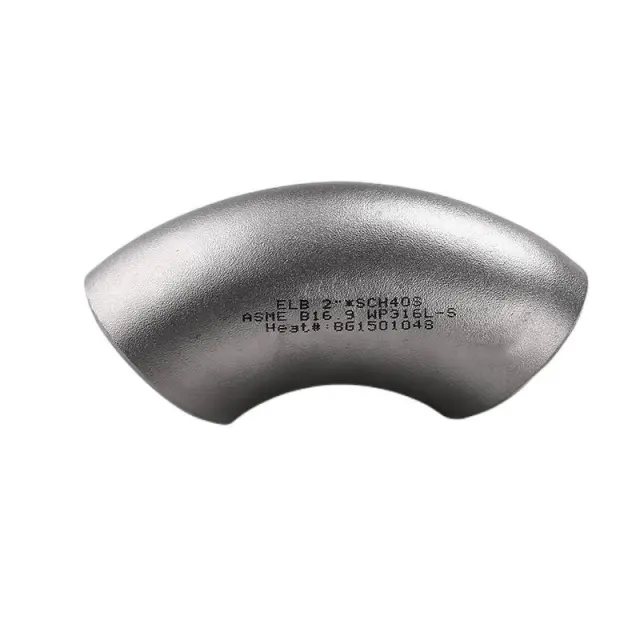
Types of 90 Degree Elbows
Different industries require different elbow configurations. Choosing the right 90 degree elbow depends on flow characteristics, pressure requirements, installation space, and material compatibility.
Long Radius 90 Degree Elbow
The long radius 90 degree elbow is the most commonly used type in industrial piping systems. It features a centerline radius equal to 1.5 times the pipe diameter.
This design minimizes pressure loss and turbulence, making it ideal for systems requiring efficient fluid movement.
Industries commonly using long-radius elbows include:
- Petrochemical plants
- Power generation facilities
- Oil refineries
- Water treatment systems
Most pipe fittings used in industrial applications prefer long-radius elbows because they reduce erosion and improve flow efficiency.
Short Radius 90 Degree Elbow
A short radius elbow has a centerline radius equal to the nominal pipe size.
Compared with long-radius elbows, short-radius elbows:
- Save installation space
- Allow tighter turns
- Are suitable for compact piping layouts
However, they usually create greater turbulence and pressure drop.
Short-radius elbows are commonly found in confined mechanical systems and certain plumbing fittings applications.
Stainless Steel Elbow
A stainless steel elbow is one of the most popular choices in industrial piping due to its corrosion resistance, temperature tolerance, and long service life.
Common stainless steel grades include:
- ASTM A403 WP304
- ASTM A403 WP304L
- ASTM A403 WP316
- ASTM A403 WP316L
A stainless steel elbow is ideal for:
- Chemical processing plants
- Offshore environments
- Food-grade piping systems
- Pharmaceutical facilities
Because stainless steel performs exceptionally well under demanding conditions, many engineers prefer it for high-performance pipe fittings.
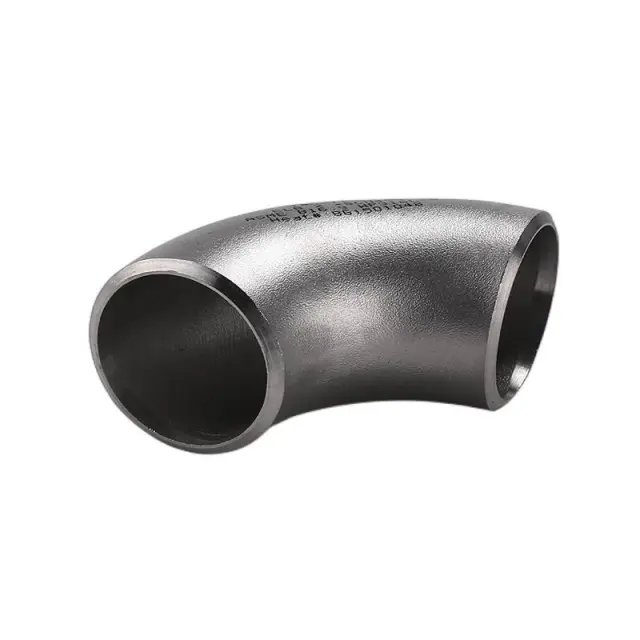
ASME B16.9 Fittings Dimensions for 90 Degree Elbows
One of the most important standards governing industrial elbows is ASME B16.9.
The ASME B16.9 fittings dimensions specification covers factory-made wrought butt-welding fittings, including:
- 90 degree elbow
- 45 degree elbow
- Tee fittings
- Reducers
- Caps
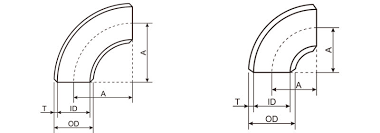
For a pipe fittings 90 degree elbow ASME B16.9, the standard specifies:
- Outside diameter
- Center-to-end dimensions
- Wall thickness
- End bevel preparation
- Dimensional tolerances
Following ASME B16.9 fittings dimensions ensures interchangeability between manufacturers and compatibility with piping systems worldwide.
For example, long-radius elbows follow standardized center dimensions to maintain consistent flow geometry and installation accuracy.
Companies working with common industrial pipe standards rely heavily on ASME B16.9 because it guarantees reliability and compliance in industrial piping projects.
Difference Between Pipe Fittings and Flanges
Many buyers and engineers ask about the difference between pipe fittings and flanges.
Although both are essential in piping systems, they serve very different purposes.
Pipe fittings are components used to:
- Change direction
- Change pipe size
- Branch flow
- Terminate lines
Examples include:
- 90 degree elbow
- Tee
- Reducer
- Cap
A pipe flange, however, is used to connect pipes, valves, pumps, and equipment.
Unlike fittings, flanges are removable, allowing easy inspection, maintenance, and replacement.
Understanding the difference between pipe fittings and flanges helps engineers choose the right component for specific applications.
In simple terms:
Fittings modify flow. Flanges create connections.
Types of ASME Pipe Flanges
Understanding the types of ASME pipe flanges is important because elbows are often connected to piping systems using flanges.
The most common flange designs include:
Weld Neck Flange
The weld neck flange is widely used in high-pressure systems due to its tapered hub design.
Advantages include:
- High strength
- Excellent pressure resistance
- Reduced stress concentration
It is frequently paired with high-pressure pipe fittings.
Slip-On Flange
A slip-on pipe flange slides over the pipe before welding.
Benefits include:
- Easy installation
- Lower cost
- Suitable for moderate pressure systems
Blind Flange
Blind flanges are used to seal pipe ends.
They allow future expansion and maintenance while maintaining pressure integrity.
Socket Weld Flange
Socket weld flanges are commonly used in smaller-diameter high-pressure piping systems.
Threaded Flange
Threaded flanges do not require welding, making them suitable for low-pressure systems.
Understanding types of ASME pipe flanges helps engineers select the correct piping configuration.
ASME B16.5 Vs ASME B16.47
A common technical comparison in industrial piping is ASME B16.5 Vs ASME B16.47.
Although both are important flange standards, they apply to different flange size ranges.
ASME B16.5
ASME B16.5 covers flanges ranging from:
NPS 1/2 inch to 24 inches
It includes:
- Pressure-temperature ratings
- Materials
- Tolerances
- Testing requirements
- Flange dimensions
This standard is widely used in refineries, petrochemical plants, and industrial piping systems.
ASME B16.47
ASME B16.47 applies to larger flanges ranging from:
NPS 26 inches to 60 inches
This standard is commonly used in:
- Offshore pipelines
- Water transmission systems
- Large industrial facilities
When discussing ASME B16.5 Vs ASME B16.47, the primary difference is flange size coverage and dimensional requirements.
Both standards are essential components of broader ASME B16 series standards.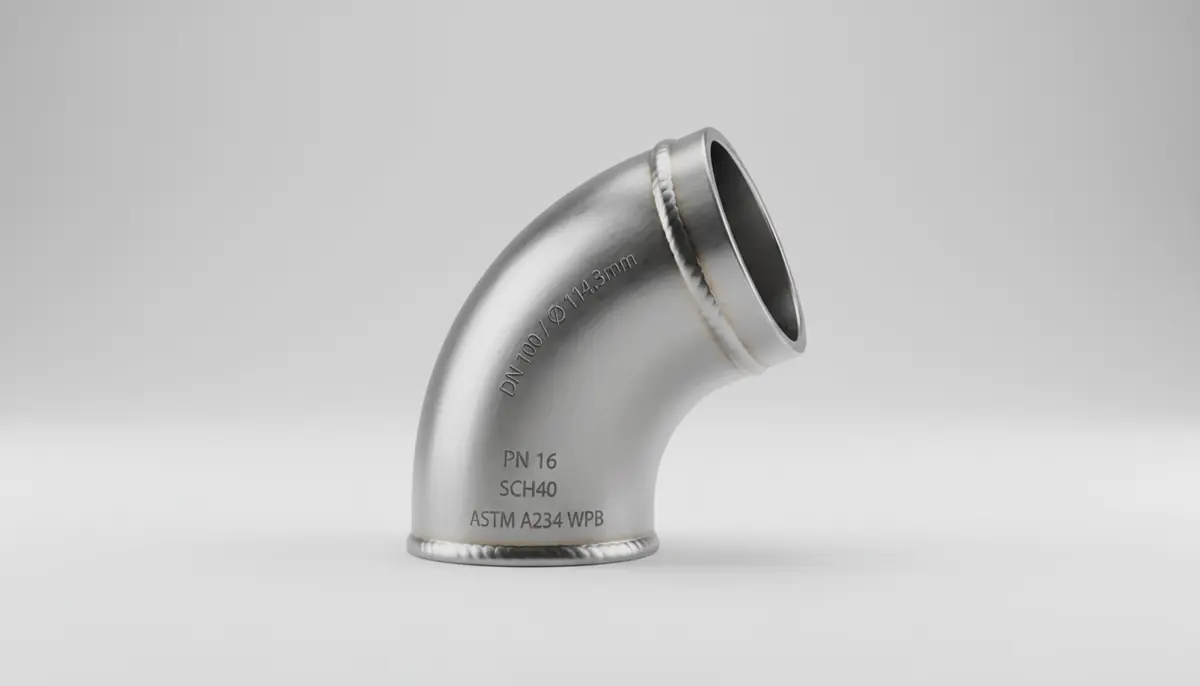
Flange Pressure Rating and Pressure-Temperature Ratings of ASME Flanges
Choosing the correct flange pressure rating is essential for system safety and performance.
The pressure-temperature ratings of ASME flanges determine the maximum pressure a flange can withstand at a given temperature.
Common pressure classes include:
- ASME class 150
- ASME class 300
- ASME class 600
- ASME class 900
- ASME class 1500
- ASME class 2500
Higher pressure classes are designed for more demanding industrial environments.
For example:
ASME Class 150
Suitable for low-pressure systems and water applications.
ASME Class 300
Commonly used in medium-pressure industrial services.
ASME Class 600
Ideal for high-pressure processing plants.
ASME Class 900
Often selected for refinery and petrochemical operations.
ASME Class 1500 and ASME Class 2500
Designed for extreme pressure and temperature conditions.
Selecting the correct flange pressure rating ensures safe integration between pipe flange systems and pipe fittings.
ASME Piping Standards and Common Industrial Pipe Standards
Modern piping systems follow strict ASME piping standards to ensure operational reliability and safety.
Key ASME B16 series standards include:
- ASME B16.5 — Pipe Flanges and Flanged Fittings
- ASME B16.9 — Factory-Made Wrought Buttwelding Fittings
- ASME B16.47 — Large Diameter Steel Flanges
- ASME B16.11 — Forged Fittings
- ASME B16.25 — Butt Welding Ends
These are among the most widely recognized common industrial pipe standards used globally.
Compliance with ASME piping standards ensures:
- Better safety
- Equipment compatibility
- Reduced maintenance risks
- Improved operational efficiency
Conclusion
The 90 degree elbow remains one of the most important pipe fittings used in industrial and commercial piping systems. Whether selecting a stainless steel elbow, reviewing ASME B16.9 fittings dimensions, or understanding the difference between pipe fittings and flanges, engineers must carefully consider standards, materials, and pressure requirements.
Additionally, understanding types of ASME pipe flanges, comparing ASME B16.5 Vs ASME B16.47, and selecting the proper flange pressure rating are all essential for designing safe and efficient piping systems.
By following ASME piping standards and recognized common industrial pipe standards, industries can ensure long-term performance, safety, and reliability in every piping application.
FAQ
What is a 90 degree elbow used for?
A 90 degree elbow is used to change the direction of fluid flow by 90 degrees in piping systems.
What standard covers 90 degree elbows?
Most industrial elbows follow ASME B16.9 fittings dimensions requirements.
What is the difference between ASME B16.5 and ASME B16.47?
ASME B16.5 covers smaller flanges up to 24 inches, while ASME B16.47 applies to larger diameter flanges.
What is the difference between pipe fittings and flanges?
The difference between pipe fittings and flanges is that fittings modify flow direction or size, while flanges connect piping components.
Which material is best for a 90 degree elbow?
A stainless steel elbow is often preferred for corrosion resistance and long-term durability.


